

Shaving Cream vs Shaving Foam vs Shaving Gel
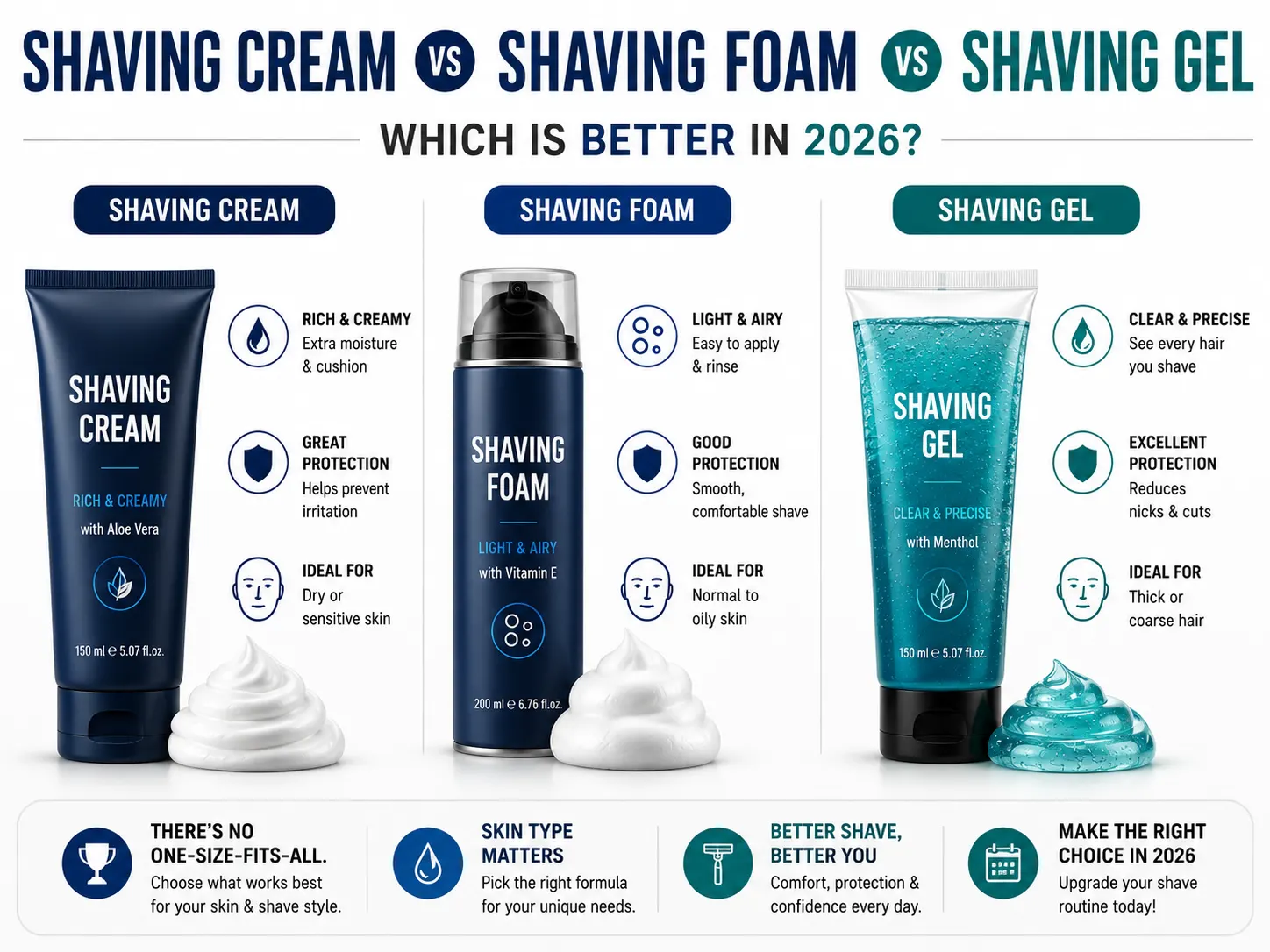
Choosing the right shaving product is just as important as choosing a quality razor. Many people assume shaving cream, shaving foam, and shaving gel are essentially the same product packaged differently. In reality, each offers a completely different shaving experience.
I’ve spent the last 2 months just comparing their ingredients, performance, ease of use, skin feel, and overall value. After analyzing how each performs across different skin types and beard textures, it’s clear that there isn’t a single winner for everyone. The best choice depends on your skin sensitivity, beard thickness, shaving routine, and personal preferences.
If you’re wondering whether shaving cream, foam, or gel is the better option, this detailed guide covers everything you need to know before making your decision.
Shaving Cream vs Shaving Foam vs Shaving Gel: Which One Should You Choose?
Choose shaving cream for maximum skin nourishment, excellent lubrication, and the closest, most comfortable shave.
Choose shaving foam if you want convenience, speed, and an affordable everyday shaving solution.
Choose shaving gel if you have sensitive skin, coarse facial hair, or want better visibility while shaving around beard lines.
For most people, shaving cream offers the best balance of comfort, protection, and value.
What Is Shaving Cream?
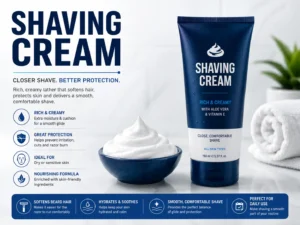
Shaving cream is a rich, creamy product designed to soften facial hair while creating a protective layer between your skin and the razor. It usually requires a shaving brush or your hands to build a thick lather.
Unlike aerosol products, shaving creams generally contain moisturizing ingredients such as glycerin, aloe vera, shea butter, coconut oil, or essential oils that help reduce friction during shaving.
Advantages
- Superior lubrication
- Excellent hydration
- Reduces razor burn
- Softens thick beard hair
- Better for daily shaving
- Suitable for sensitive skin
Drawbacks
- Requires slightly more preparation
- Some products need a shaving brush
- Takes a little longer to apply
What Is Shaving Foam?
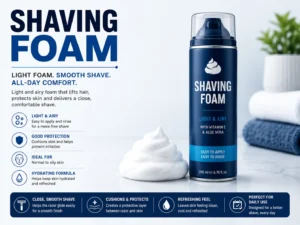
Shaving foam comes in an aerosol can and instantly expands into a fluffy foam when dispensed. It is designed primarily for convenience and speed.
Foam requires almost no preparation, making it popular among people who shave quickly before work or while traveling.
Advantages
- Extremely easy to use
- Affordable
- Widely available
- Fast application
- Ideal for beginners
Drawbacks
- Less lubrication
- Can dry out quickly
- Contains more propellants in many formulations
- May not provide enough protection for coarse beards
What Is Shaving Gel?
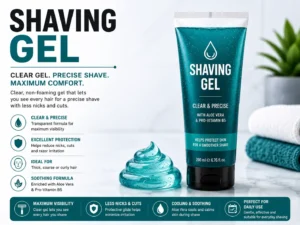
Shaving gel starts as a transparent or semi-transparent gel that transforms into a slick layer when rubbed onto the skin.
Many premium shaving gels remain partially transparent, allowing users to see exactly where they’re shaving. This makes them popular for edging beards, mustaches, and sideburns.
Advantages
- Excellent glide
- Better razor visibility
- Highly concentrated
- Ideal for coarse hair
- Great for sensitive skin
Drawbacks
- Often costs more
- Can feel sticky if overused
- Some formulas contain alcohol or artificial fragrance
Shaving Cream vs Shaving Foam vs Shaving Gel: Detailed Comparison
1. Lubrication
Lubrication determines how smoothly the razor moves across your skin. Shaving cream generally provides the richest cushion because it creates a dense protective lather. Shaving gel offers exceptional slickness, while shaving foam provides the least protection among the three.
Winner: Shaving Cream
2. Skin Hydration
Moisturized skin experiences less irritation during shaving. Most quality shaving creams contain humectants and emollients that help retain moisture throughout the shave. Foams usually contain more air than moisturizing ingredients. Gels perform well but may vary depending on the formulation.
Winner: Shaving Cream
3. Protection Against Razor Burn
Razor burn occurs when excessive friction irritates the skin. Because shaving cream creates a thicker cushion, it significantly reduces razor drag. Shaving gels also perform very well. Foams generally offer the least protection.
Winner: Shaving Cream
4. Ease of Use
Foam wins this category without question. Simply shake the can, press the nozzle, and apply. Cream requires lathering, while gel needs a little more spreading.
Winner: Shaving Foam
5. Closeness of Shave
A closer shave depends on softened hair and reduced razor resistance. Cream softens facial hair more effectively, allowing the blade to cut closer with less effort. Gel comes very close, while foam often leaves slightly more resistance.
Winner: Shaving Cream
6. Sensitive Skin
People with sensitive skin should prioritize lubrication and moisturizing ingredients. Quality shaving creams and fragrance-free gels are excellent choices. Foam may contain drying ingredients in some formulations.
Winner: Tie — Shaving Cream & Shaving Gel
7. Thick Beard
Coarse beards require maximum hydration before shaving. Cream softens thick hair exceptionally well. Gel also performs impressively due to its slickness. Foam struggles with dense growth.
Winner: Shaving Cream
8. Speed
If you shave in under five minutes every morning, foam offers unmatched convenience.
Winner: Shaving Foam
9. Precision
When shaping beard lines or maintaining a mustache, visibility matters. Transparent shaving gels allow greater control.
Winner: Shaving Gel
10. Cost Effectiveness
Although premium shaving creams sometimes cost slightly more upfront, they typically last longer because only a small amount is needed for each shave. Foams are affordable but tend to empty more quickly. Gels usually fall somewhere in between.
Winner: Shaving Cream
Which One Is Best for Different Beard Types?
Light Beard
Shaving foam is sufficient for occasional shaving.
Medium Beard
Shaving cream provides the best balance.
Thick Beard
Choose shaving cream or shaving gel.
Both soften coarse hair significantly better than foam.
FAQs
Is shaving cream better than shaving foam?
Yes. Shaving cream generally provides better lubrication, hydration, and skin protection than shaving foam.
Is shaving gel better for sensitive skin?
Many fragrance-free shaving gels are excellent for sensitive skin because they reduce friction and improve razor glide.
Which gives the closest shave?
Shaving cream usually delivers the closest and most comfortable shave due to its rich lather and superior lubrication.
Can I use shaving foam every day?
Yes, but if you experience dryness or irritation, switching to shaving cream may improve comfort.
Which lasts longer?
Shaving cream is usually the most economical because only a small amount is required per shave.
Is shaving gel worth the extra cost?
If you maintain a beard, have coarse hair, or prefer precision shaving, shaving gel can be worth the additional cost.
After comparing shaving cream, shaving foam, and shaving gel across lubrication, hydration, comfort, precision, cost, and suitability for different skin and beard types, one option stands out for most people.
Shaving cream offers the best all-round shaving experience. It delivers superior cushioning, better hydration, and excellent protection against razor burn, making it the ideal choice for regular shaving and long-term skin health.
Shaving foam remains the best option for those who prioritize speed and convenience. It is easy to apply and widely available, making it suitable for beginners and busy mornings.
Shaving gel excels when precision matters. Its slick texture and often transparent formula make it particularly useful for shaping beard lines, shaving around facial hair, and handling coarse beards with greater control.
Ultimately, there is no universal winner for every individual. The right choice depends on your skin type, beard texture, and shaving habits. However, if you are looking for the best balance of comfort, protection, and overall performance, a quality shaving cream remains the strongest recommendation.
About the Author
Navdeep kr – I am a grooming and lifestyle writer who reviews men’s grooming and personal care products based on real-world use and thorough research. My reviews focus on performance, skin compatibility, and value for money, helping readers choose the right products with honest, practical recommendations.
